Why a Free Roof Estimate Matters Before You Start Any Roofing Project
@thefreeroofestimateguide
October 26, 2026 · 6 min read
When your roof starts showing signs of age or damage, the first step is often the hardest. You need to know what you are dealing with, but you also do not want to get locked into a sales pitch before you understand your options. That is where a free roof estimate comes in. It gives you a clear picture of the work needed without any pressure or upfront cost. I have spent years in the roofing trade, and I can tell you that a good estimate is more than just a price. It is a roadmap for the whole project.
What a Free Roof Estimate Actually Covers
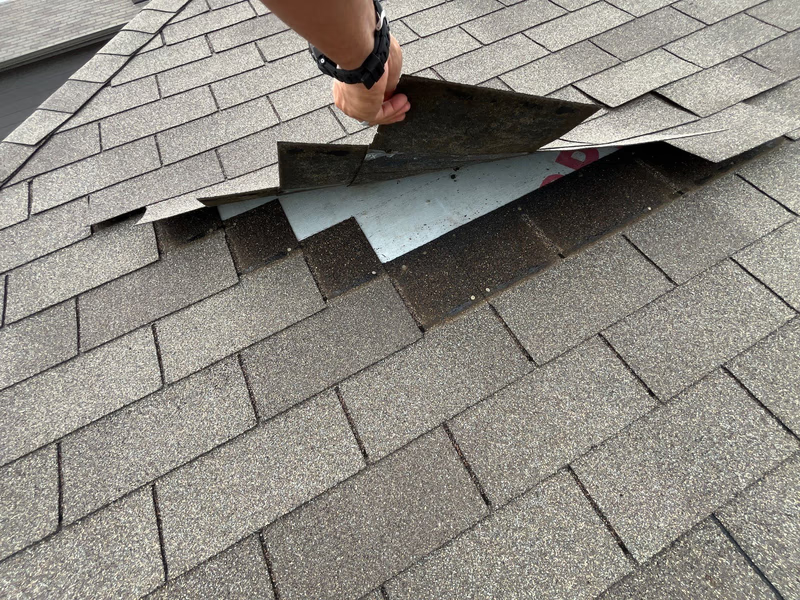
A real free roof estimate is not a quick look from the ground. A thorough estimator will climb up and inspect the entire surface. They will check for loose shingles, rusted flashing, worn sealant around vents and chimneys, and any soft spots in the decking. In Austin, Texas, the sun beats down hard, so asphalt shingles can dry out and curl faster than in cooler climates. Clay tiles hold up better in heat, but they can crack if something heavy hits them. A good roofing contractor will note all of these details during the inspection.
The estimate should also include a written scope of work. That means a list of materials, the approximate timeline, and the total cost. It should break down labor and materials separately. If the company offers a free roof estimate, they should also explain what is not included. For example, if the decking underneath is rotted, that might be an extra cost. Honest contractors will tell you that upfront, not surprise you later.
Why You Need a Roof Inspection First
Before any estimate makes sense, you need a proper roof inspection. A visual check from the ground can miss a lot. Hidden leaks, damaged underlayment, or poor ventilation can cause bigger problems down the road. In Austin, we see a lot of storm damage from hail and high winds. A roof inspection after a storm can catch small issues before they become roof leaks that ruin insulation and drywall.

During an inspection, the contractor will look at the type of roof you have. A shingle roof behaves differently than a metal roof or a flat roof. Asphalt shingles can lose granules over time, which makes them less effective at reflecting heat. Metal roofs can rust if the protective coating wears off. Flat roofs often have ponding water issues that lead to leaks. Each material needs a different approach, and a good estimator will explain the trade-offs.
What to Expect During a Walkthrough
When the contractor arrives, they should walk the entire roof if it is safe. They will check flashings, valleys, and penetrations like skylights or plumbing vents. They will also look inside your attic for signs of moisture or mold. That is a step many homeowners forget, but it can reveal leaks that are not yet visible from above. The inspection should take at least thirty minutes for an average house. If someone tries to give you an estimate in five minutes from the driveway, that is a red flag.
After the inspection, you should receive a no-obligation quote. That means you are free to say no without any pressure. Good contractors know that you might want to get a second opinion, and they respect that. The quote should be valid for a set period, usually thirty days, so you have time to think it over.
Comparing Materials and Costs
One of the biggest benefits of a free estimate is that you can compare different materials side by side. Let us say you have a shingle roof that is twenty years old. The contractor might recommend replacing it with new asphalt shingles from a brand like GAF or Owens Corning. Both offer good warranties, but the cost and performance differ. GAF shingles often have a thicker mat and better impact resistance. Owens Corning shingles have a special coating that reflects more heat, which can lower your cooling bills in Texas summers.
If you prefer a more traditional look, clay tiles are beautiful and last a long time. They are heavy, though, and your roof structure might need reinforcement. CertainTeed makes high-quality tiles that mimic the look of Spanish clay but weigh less. The trade-off is that clay tiles cost more upfront but can last over fifty years with proper maintenance.
For flat roofs, you have options like modified bitumen or single-ply membranes. These materials are common on commercial buildings, but some homes in Austin also have flat sections. A metal roof is another choice, especially for modern architecture. It is durable and fire-resistant, but it can be noisy during rain and requires special fasteners to prevent leaks.
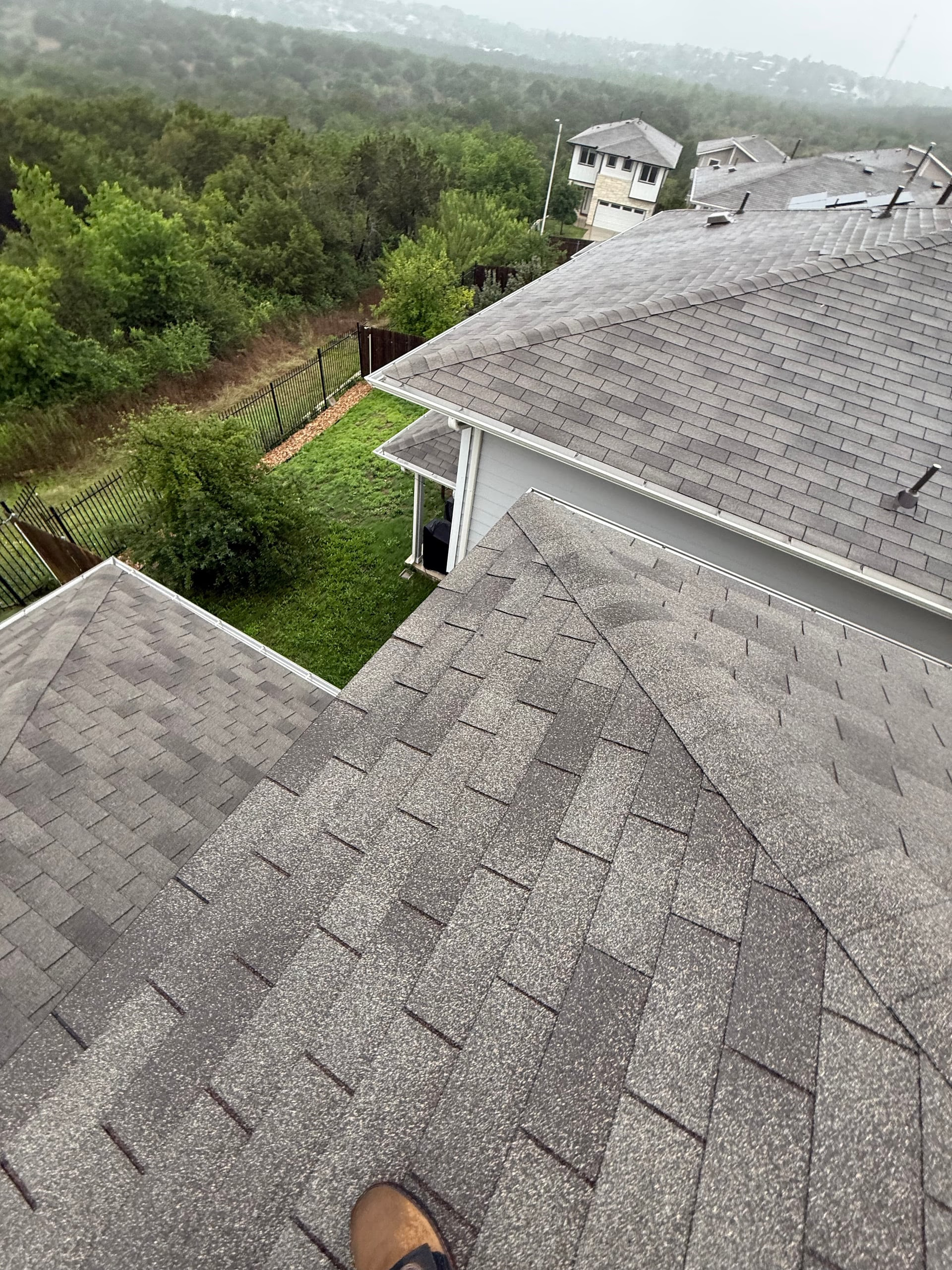
A thorough estimate will lay out these options and give you a price for each. That way, you can decide based on your budget and priorities. You might want the cheapest option now, or you might prefer to spend more for a longer-lasting roof. The estimate makes that choice clear.
Warranties and Insurance Claims
Another part of the estimate should be the roof warranty. Most manufacturers like GAF, Owens Corning, and CertainTeed offer warranties that cover manufacturing defects. Some contractors also offer workmanship warranties that cover installation errors. A good estimator will explain the difference and tell you what is covered. For example, a shingle roof might have a thirty-year warranty, but the warranty only applies if the installation meets the manufacturer's specifications. If the contractor cuts corners, the warranty could be void.
If you are filing an insurance claim for storm damage, the estimate becomes even more important. You need a detailed document that shows the insurance adjuster exactly what needs to be repaired or replaced. A roofing contractor who understands the claims process can help you document the damage properly. That can speed up the claim and make sure you get the full amount you are entitled to.
How to Choose a Roofing Contractor
Not all contractors are the same. Some focus on roof repair, others on roof replacement. Some specialize in metal roofs, others in shingle roofs or flat roofs. When you call for a free estimate, ask about their experience with your specific roof type. A contractor who mostly does asphalt shingles might not be the best choice for a clay tile roof. Likewise, a metal roof expert knows how to handle expansion and contraction, which is critical in Texas heat.
Check for licensing and insurance. In Texas, roofing contractors need a state license. They should also have liability insurance and workers' compensation. If someone gets hurt on your property, you do not want to be liable. A reputable contractor will provide proof of insurance before they start work.
Read reviews and ask for references. Look for comments about how they handled unexpected issues. Roofing projects often uncover hidden problems like rotted decking or old leaks. A good contractor will communicate these findings and give you a revised estimate before proceeding. They will not just fix it and add the cost to the final bill.
Final Thoughts
Getting a free roof estimate is not just about finding the lowest price. It is about understanding what your roof needs and who you can trust to do the work. A thorough estimate from a knowledgeable contractor can save you money in the long run by preventing small problems from turning into big ones. It also gives you peace of mind that you are making an informed decision.
Whether you need a simple roof repair or a full roof replacement, start with a no-obligation quote. Let a professional look at your roof, explain your options, and give you a written estimate. That way, you can compare, ask questions, and choose the best path forward. Your roof protects everything under it, so it is worth taking the time to get it right.